Lower Body Muscles Used During Seated Cycling. How the Pedal Stroke Shapes Strength Training for Cyclists

Abstract: This article explores the lower body muscles used in cycling and how they function during the propulsive and recovery phases of the pedal stroke. By understanding these roles, you can better target your strength training to ensure it aligns with the specific demands of cycling performance.

Keywords: Lower Body Muscles Used in Cycling, Muscles Used in Cycling, Cycling Pedal Stroke, Cycling Performance

The first step in developing an effective off-bike strength training program is understanding which muscle groups contribute to the pedal stroke, and how they coordinate. This provides the foundation for purposeful programming, ensuring that the strength you build is specific, transferable, and directly relevant to cycling performance.

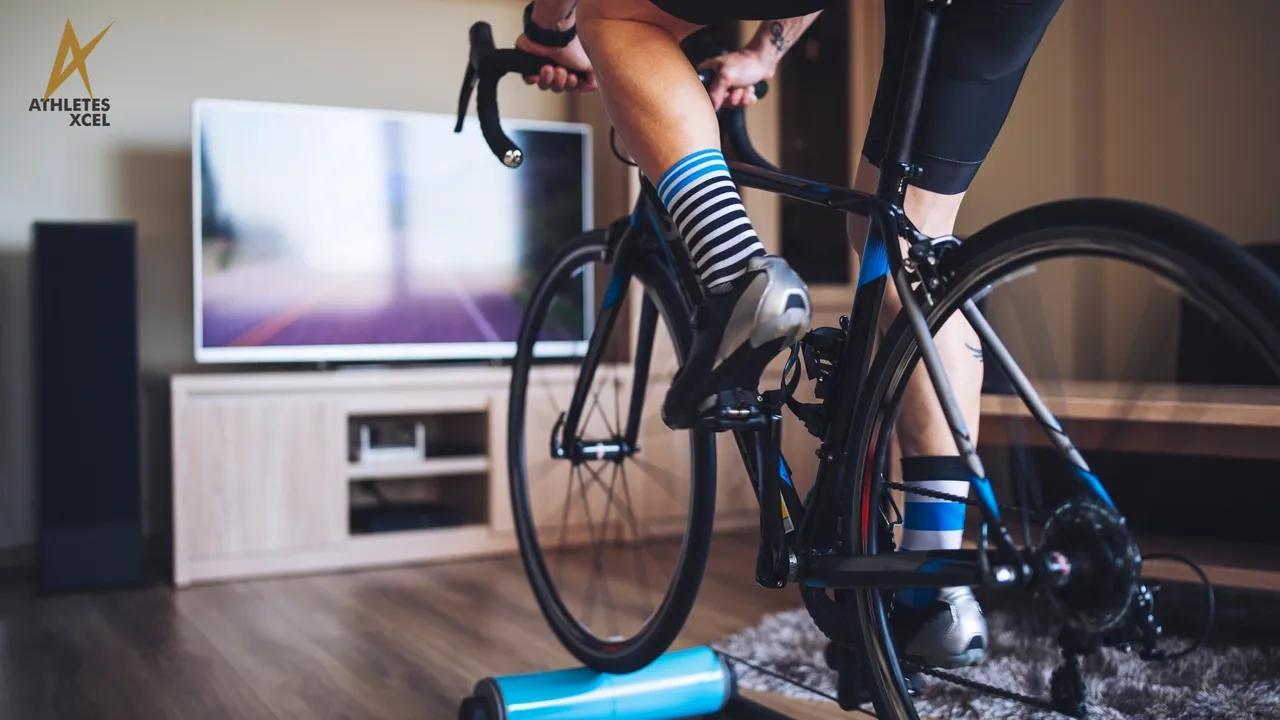
The pedal stroke can be divided into two main phases. The propulsive phase, from 12 o’clock to 6 o’clock, is where most of the force is applied to generate forward movement. The recovery phase, from 6 o’clock back to 12 o’clock, repositions the leg and prepares the system for the next stroke. While power is produced in the propulsive phase, the effectiveness of the recovery phase determines how efficiently that power is applied.

It is important to note that the research referenced in this article primarily investigates muscle activation during controlled, seated pedalling conditions, providing a clear baseline for understanding how lower body muscles contribute to cycling performance.

So, what muscles are used in seated cycling, and how do they contribute to the pedal stroke?

Muscle Activity During the Propulsive Phase

During the propulsive phase, power production is driven by a coordinated sequence of muscle activity rather than a single muscle acting in isolation. The gluteus maximus plays a key role in hip extension, becoming active immediately after top dead centre and continuing through to approximately 130° of the crank, driving the early portion of the downstroke (Jorge & Hull, 1986; Dorel et al., 2009).

The quadriceps, particularly the vastus medialis and vastus lateralis, are dominant contributors early in the pedal stroke. These muscles extend the knee and deliver force into the pedal, remaining active from just before top dead centre through to approximately 90° (Jorge & Hull, 1986; Dorel et al., 2009; da Silva et al., 2016). The rectus femoris activates earlier, typically from around 250-270°, and continues into the early propulsive phase before terminating between 60-100°. This earlier onset reflects its role in preparing the system for force production rather than acting purely as a force generator.

The calf complex provides important support. The gastrocnemius is active across a large portion of the pedal stroke, from approximately 30° through to around 270°, assisting with ankle plantarflexion and force transmission. The soleus contributes more specifically between 45° and 135°, helping maintain ankle stability and stiffness (Dorel et al., 2009).

The hamstrings, including the biceps femoris and semimembranosus, contribute during the propulsive phase by supporting hip extension, assisting knee flexion, and coordinating force transfer between joints. The biceps femoris is active from approximately 45° through to just beyond bottom dead centre, while the semimembranosus becomes active slightly later, around 90°, continuing toward bottom dead centre (Dorel et al., 2009; da Silva et al., 2016).

The propulsive phase is therefore the result of a coordinated interaction between the hip, knee, and ankle musculature.

Muscle Activity During the Recovery Phase

The recovery phase determines whether efficiency is maintained or lost.

The hamstrings (biceps femoris and semimembranosus) remain active into the early recovery phase, assisting with knee flexion and guiding the leg upward after bottom dead centre (Jorge & Hull, 1986; Dorel et al., 2009). This continuity helps link the transition between phases and prevents a complete reset of movement.

As the crank approaches the top of the stroke, the tibialis anterior becomes the primary contributor, active from approximately 270° through to just past top dead centre. Its role is to dorsiflex the ankle, lifting the foot and reducing resistance against the rising pedal (Jorge & Hull, 1986; Dorel et al., 2009).

The rectus femoris also becomes active toward the end of the recovery phase, around 250-270°, contributing to hip flexion and preparing the system for the next propulsive phase. This overlap reinforces the continuous nature of pedalling.

The hip adductors contribute more than often assumed. The adductor magnus demonstrates a similar activation pattern to the vastus lateralis, contributing across both phases of the pedal stroke, while the adductor longus shows greater involvement during the recovery phase (Watanabe, 2009). Rather than acting as primary power producers, they help stabilise the pelvis, control femoral movement, and support efficient transitions between strokes, with an increasing role as fatigue develops.

The recovery phase is not passive. It is an active process that removes resistance and positions the lower limbs for effective force application. When poorly coordinated, through excessive resistance (negative torque) or mistimed muscle activation, you begin to work against your own movement, increasing energy cost and reducing the effectiveness of the next downstroke.

Conclusion

While there is a consistent pattern of muscle activity during pedalling, individual differences and bike position can influence how these muscles are recruited. These variations are important but sit beyond the scope of this article.

You now have a clear understanding of the primary muscle groups involved in seated pedalling and how they contribute across both phases of the pedal stroke. During the propulsive phase, force is driven by the gluteus maximus (hip extension; gluteal muscle group), vastus medialis and vastus lateralis (knee extension; quadriceps muscle group), and the calf complex, including the gastrocnemius and soleus (ankle plantarflexion). The rectus femoris (hip flexion and knee extension; quadriceps muscle group) contributes across both phases.

During the recovery phase, movement is supported by the biceps femoris and semimembranosus (knee flexion and hip extension; hamstring muscle group), alongside the tibialis anterior (ankle dorsiflexion). The hip adductors, particularly the adductor magnus and adductor longus, contribute across both phases, supporting hip extension, femoral control, pelvic stability, and force transfer, especially as fatigue develops.

This is what allows strength training to become specific and transferable.

If you are not considering which muscles are contributing, when they are active, and how they function within the pedal stroke, strength training becomes general rather than targeted. By using this knowledge to guide exercise selection and programming, you can align your gym work with the muscular demands of cycling. This is what allows strength to transfer to the bike and ultimately determines how effectively you produce and sustain power.

Build Strength That Actually Transfers to the Bike

If your strength training isn’t improving your power, efficiency, or sprint performance, the problem isn’t effort, it’s application.

Inside Athletes Xcel, we specialize in bridging the gap between the gym and the bike, helping you develop cycling-specific strength that translates directly into performance.

👉 Apply for a free consultation call to:

· improve force application through the pedal stroke

· reduce fatigue and inefficiencies

· unlock power that transfers to racing performance

Build strength that shows up on the bike. Click here to apply now!

References

1. da Silva JCL, Tarassova O, Ekblom MM, Andersson E, Rönquist G, Arndt A (2016) Quadricep and hamstring muscle activity during cycling as measured with intramuscular electromyography. European Journal of Applied Physiology116: 1807-1817

2. Dorel S, Couturier A, Hug F (2009) Influence of different racing positions on mechanical and electromyographic patterns during pedalling. Scandinavian Journal of Medicine & Science in Sports 19:44-54

3. Hug F, Dorel S (2009) Electromyographic analysis of pedaling: A review. Journal of Electromyography and Kinesiology, 19 (2): 182-198

4. Watanabe K, Katayama K, Ishida K, Akima H (2009) Electromyographic analysis of hip adductor muscles during incremental fatiguing pedaling exercise. European Journal of Applied Physiology 106 (6): 815-825
Cold Water Immersion: How Temperature & Time Boost Recovery

Abstract: This article examines how different water temperatures and immersion durations in Cold Water Immersion (CWI) impact muscle soreness and recovery following exercise. Based on key studies, we explore how to optimize CWI for post-training muscular recovery, enhancing future cycling success.

Keywords: Cold Water Immersion, Cycling Recovery, Ice Bath Therapy, Cycling Performance, Recovery Strategies

Cyclists know that after intense training sessions or consecutive race days, muscle soreness can be the enemy of performance. Whether you’re sprinting to the finish or tackling long endurance rides, Cold Water Immersion (CWI) can be a key recovery tool. But how do temperature and immersion time affect its benefits? Let’s explore how varying water temperatures and immersion durations in CWI can help manage muscle soreness and improve recovery for cyclists striving for peak performance.

Impact of Water Temperature and Immersion Duration on Soreness

Are all ice baths created equal? Let’s explore how adjusting the water temperature and duration of your CWI sessions can change your recovery outcomes post training. The academic papers reviewed when writing the CWI blog series, researchers mostly implemented an immersion water temperature between 10-15°C (1, 2, 3, 4, 7, 9, 10) and 8°C (5), with immersion duration occurring between 10-15minutes (1, 2, 3, 4, 5, 7, 10) and 5 minutes (9). But is there a water temperature and immersion duration that provides optimal muscle soreness recovery benefits?

The study from Glasgow and colleagues (6) on CWI investigated the effect of different water temperatures and durations on delayed onset muscle soreness (DOMS) following resistance training. They compared five different recovery protocols using healthy participants. The recovery methods included contrast immersion (1 minute water immersion in 38°C followed by 1 minute immersion in 10°C, repeated 3 times); intermittent CWI (1 minute CWI in 10°C followed by no immersion for 1 minute, repeated 3 times); 10-minute CWI in 10°C, and 10-minute CWI in 6°C. The findings indicated that the group immersed in 6°C water for 10 minutes had the lowest reported muscle soreness throughout 96 hours post exercise (6). Although these results weren’t statistically significant. This study concludes that while colder water temperatures like 6°C at a 10-minute duration might slightly reduce soreness, the overall clinical significance of the differences across groups was limited (6). Therefore, it suggests that individual preferences and specific recovery needs should guide the use of CWI.

In a meta-analysis by Machado and colleagues (8), the researchers examined the effects of different water temperatures and durations used during CWI on post-exercise muscle soreness. A meta-analysis is a research method that combines data from multiple studies to provide a more reliable conclusion. By pooling results, it increases the sample size and statistical power, offering a clearer overall understanding of a topic. This is important due to limited research examining this area of CWI. Machado and associate’s (8) concluded that the optimal range for muscle recovery is a CWI temperature between 11-15°C. This range produced the best results in both immediate and delayed soreness relief compared to temperatures below 10°C, which were less effective and lacked statistical significance (8). Like Glasgow et al. (6) study, this review further concluded that the durations between 10 and 15 minutes yielded the best recovery outcomes regarding muscle soreness (8). Submersion periods shorter than 5 minutes didn’t provide enough exposure to trigger significant muscle recovery benefits.

What’s the sweet spot? Keeping immersion times between 10-15 minutes and at a water temperature of 10-15°C maximizes the recovery benefits of CWI. Now that we’ve established the importance of temperature and duration, let’s dive deeper into how CWI actually works on a physiological level.

Mechanisms of Cold Water Immersion

The effectiveness of CWI in enhancing cycling performance and reducing fatigue comes down to a few key physiological processes. After intense cycling, muscles produce metabolic byproducts such as lactate, which can slow recovery and cause fatigue.

Cold exposure lowers local tissue temperature, which helps reduce swelling, pain, perceptions of fatigue, muscle soreness, inflammation and metabolic activity. CWI also enhances circulation, which accelerates the removal of metabolic byproducts like lactate (9, 10). Due to the hydrostatic water pressure, CWI triggers vasoconstriction, which narrows the blood vessels and increases blood flow back to the heart (11). Ultimately, this helps reduce pain and speeds up the removal of metabolic byproducts such as lactate.

Conclusion

Cold Water Immersion can be a cyclist’s best friend, but only if used correctly. By dialing in the right balance between water temperature (11°C-15°C) and immersion time (10-15 minutes), you can enhance recovery and stay ahead of soreness. Let CWI be your edge to your cycling performance.

Boost Your Cycling Performance with Expert Coaching

Ready to optimize your recovery and reach your full potential on the bike? Apply for a free consultation call and discover how personalized coaching can help you improve your recovery strategy and cycling performance. Don’t just ride—xcel. Click here to apply now!

References

1. Aguiar PF, Magalhães SM, Fonseca IA, da Costa Santos VB, de Matos MA, Peixoto MF, Nakamura FY, Crandall C, Araújo HN, Silveira LR, Rocha-Vieira E, de Castro Magalhães F, and Amorim FT (2016) Post-exercise cold water immersion does not alter high intensity interval training-induced exercise performance and Hsp72 responses, but enhances mitochondrial markers. Cell Stress & Chaperones,21(5):793-804.

2. Broatch JR, Petersen A, and Bishop DJ (2017) Cold-water immersion following sprint interval training does not alter endurance signaling pathways or training adaptations in human skeletal muscle. American Journal of Physiology, Regulatory, Integrative & Comparative Physiology, 313(4):R372-R384. doi: 10.1152/ajpregu.00434.2016. Epub 2017 Jul 5. PMID: 28679683.

3. Chan YY, Yim YM, Bercades D, Cheng TT, Ngo KL, and Lo KK (2016) Comparison of different cryotherapy recovery methods in elite junior cyclists. Asia-Pacific Journal of Sports Medicine, Arthroscopy, Rehabilitation and Technology, 25(5):17-23. doi: 10.1016/j.asmart.2016.06.001. PMID: 29264264; PMCID: PMC5730697.

4. Crowe MJ, O’Connor D, and Rudd D (2007) Cold water recovery reduces anaerobic performance. International Journal of Sports Medicine, 28: 994-998.

5. Egaña M, Allen L, Gleeson K, Gildea N, and Warmington S (2021) Post-exercise cold water immersion does not improve subsequent 4-km cycling time-trial compared with passive and active recovery in normothermia. Frontiers in Sports & Active Living, 25(3):738870. doi: 10.3389/fspor.2021.738870. PMID: 34761215; PMCID: PMC8573130.

6. Glasgow PD, Ferris R, and Bleakley CM (2014) Cold water immersion in the management of delayed-onset muscle soreness: is dose important? A randomised controlled trial. Physical Therapy in Sport, 15(4):228-233.

7. Halson SL, Bartram J, West N, Stephens J, Argus CK, Driller M, Sargent C, Lastella M, Hopkins WG, and Martin DT (2014) Does hydrotherapy help or hinder adaptation to training in competitive cyclists? Medicine & Science in Sports & Exercise, 46(8), 1631-1639.

8. Machado AF, Ferreira PH, Micheletti JK, de Almeida AC, Lemes ÍR, Vanderlei FM, Netto Junior J, and Pastre CM (2016) Can Water Temperature and Immersion Time Influence the Effect of Cold Water Immersion on Muscle Soreness? A Systematic Review and Meta-Analysis. Sports Medicine, 46(4): 503-514.

9. Stanley J, Peake J, and Buchheit M (2013) Consecutive days of cold water immersion: effects on cycling performance and heart rate variability. European Journal of Applied Physiology, 113(2): 371-384. 

10. Vaile J, Halson S, Gill N, and Dawson B (2008) Effect of hydrotherapy on recovery from fatigue. International Journal of Sports Medicine, 29: 539-544. 

11. Xiao F, Kabachkova AV 1, Jiao L, Zhao H, and Kapilevich LV (2023) Effects of cold water immersion after exercise on fatigue recovery and exercise performance–meta analysis. Frontiers in Physiology, 20(14):1006512. doi: 10.3389/fphys.2023.1006512. PMID: 36744038; PMCID: PMC9896520.

From Sprints to Time Trials: Boost Cycling Multi-Day Race Performance with Cold Water Immersion

Abstract: This article explores the benefits of Cold Water Immersion (CWI) for cyclists competing on consecutive days. By addressing common recovery challenges like fatigue and reduced power output, CWI helps athletes maintain performance in sprints and time trials, offering a proven method to enhance recovery and consistency across races.

Keywords: Cold Water Immersion, Ice Bath, Cycling Recovery, Recovery Strategies, Race Day Recovery

Cyclists competing on consecutive days know the challenge of battling fatigue while striving for peak performance. Whether you’re sprinting for the finish or time trialing, recovery is critical to staying sharp and competitive day after day. Enter Cold Water Immersion (CWI), a recovery strategy that could give you the edge. CWI, often referred to as an ice bath, involves submerging the body in cold water (typically between 10-15°C) for a set period after exercise. Backed by research, CWI has shown promising results in enhancing recovery between consecutive days of racing. 

But what does the research say? Let’s take a look at how CWI has been shown to impact cycling performance across multiple days of competition.

Cold Water Immersion and Cycling Performance

Several studies have compared the effects of CWI versus passive rest in endurance-trained cyclists over consecutive days (1, 2). After warming up, the cyclists performed a race simulation on a cycling ergometer. This simulation lasted 2 hours and included 66 sprints and 3 time-trial (TT) efforts. After each simulation, cyclists followed their assigned recovery method over three to five consecutive days, with 24-hour gaps between simulations.

Stanley and colleagues (1) discovered that CWI after each session helped minimize the drop in average sprint power from day 1 to day 3. While the passive rest group saw a 9.6% decline, CWI users only experienced a 2.4% drop. Similarly, Vaile and associates (2) found that cyclists who used CWI between days 1 and 4-5 saw their repeated sprint power output increase by 0.1-1.4%, while those using passive rest experienced a decrease of 2.6-3.8%. Additionally, Stanley and authors (1) found that cyclists using CWI maintained a higher repeated sprint cadence, with only a 2.1% decline from day 1 to day 3, compared to a 4.1% drop with passive rest. Maintaining high cadence is key to sustaining sprint power, making CWI an important tool for performance.

While CWI clearly benefits repeated sprint cycling performance, its effects on TT performance are more subtle. Stanley and colleagues (1) reported a smaller decline in TT power output from day 1 to day 3 for those using CWI (2.3%) compared to passive rest (3.9%). Vaile and authors (2) found significant differences, with CWI users showing a slight improvement in TT power output (0.1-1.4%) over five days, while passive recovery led to a 2.6-3.8% decrease. While the impact on TT performance may not be as dramatic as it is for sprints, these small improvements can make a big difference in competitive racing environments.

Despite differences in water temperature and duration (10°C vs. 15°C and 5 vs. 14 minutes), both studies produced similar results. CWI helps cyclists maintain sprint and TT power output while reducing fatigue across consecutive days of intense cycling (1, 2). 

Now that we’ve covered CWI’s effect on cycling performance outcomes, it’s essential to understand why it works. Let’s dive into the physiological mechanisms of CWI recovery.

Mechanisms Behind CWI’s Impact on Performance

The effectiveness of CWI in enhancing cycling performance and reducing fatigue comes down to a few key physiological processes. After intense cycling, muscles produce metabolic byproducts such as lactate, which can slow recovery and cause fatigue.

Cold exposure lowers local tissue temperature, which helps reduce swelling, pain, perceptions of fatigue, muscle soreness, inflammation and metabolic activity. CWI also enhances circulation, which accelerates the removal of metabolic byproducts like lactate (1, 2). Due to the hydrostatic water pressure, CWI triggers vasoconstriction, which narrows the blood vessels and increases blood flow back to the heart (3). Ultimately, this helps reduce pain and speeds up the removal of metabolic byproducts such as lactate.

Conclusion

Cold Water Immersion isn’t just a trendy recovery method—it’s a proven strategy to manage fatigue and maintain power when it matters most. Whether you’re pushing through TT or sprints, CWI can help you stay consistent over consecutive race days. To unlock your full cycling potential, adding CWI to your recovery routine is a proven strategy. 

Ready to Elevate Your Cycling Performance?

Unlock your potential with personalized coaching designed to boost your cycling efficiency, resilience, and power. Apply for a free consultation call to explore how our expert coaching can help you achieve your racing and training goals. Let’s work together to create a tailored strategy that propels you to the next level. Don’t just ride—excel. Click below to apply now!

References

1. Stanley J, Peake J, and Buchheit M (2013) Consecutive days of cold water immersion: effects on cycling performance and heart rate variability. European Journal of Applied Physiology, 113(2): 371-384. 

2. Vaile J, Halson S, Gill N, and Dawson B (2008) Effect of hydrotherapy on recovery from fatigue. International Journal of Sports Medicine, 29: 539-544. 

3. Xiao F, Kabachkova AV 1, Jiao L, Zhao H, and Kapilevich LV (2023) Effects of cold water immersion after exercise on fatigue recovery and exercise performance–meta analysis. Frontiers in Physiology, 20(14):1006512. doi: 10.3389/fphys.2023.1006512. PMID: 36744038; PMCID: PMC9896520.

Is Cold Water Immersion Holding Back Your Cycling Gains Over Time

Abstract: This article explores the long-term effects of Cold Water Immersion (CWI) on cycling recovery during intense training periods. While CWI is beneficial for short-term recovery, its impact on performance gains over extended training periods remains debated. The review examines recent research to provide insights into how CWI affects cycling performance.

Keywords: Cold Water Immersion, Cycling Recovery Strategies, Ice Baths for Cyclist, Cycling Performance Enhancement

As a dedicated cyclist, you understand that recovery is just as important as training—especially during grueling training camps or high-volume training periods that can last up to six weeks. When pushing yourself to the limit, optimizing recovery becomes essential for sustaining performance throughout the season. One widely adopted recovery technique is Cold Water Immersion (CWI), often referred to as ice baths. This recovery strategy involves submerging the body in cold water—typically between 10-15°C—for a set period post-exercise. But how effective is CWI over the long term on cycling performance? Does it really improve recovery during prolonged training periods, or could it interfere with physiological adaptation? 

Before understanding its long-term effects, it’s crucial to examine how CWI impacts recovery in the short term and how these immediate benefits might carry over during intense training. Let’s first examine CWI’s short-term recovery effects before diving into its potential long-term impact on cycling performance.

How Does Cold Water Immersion Affect Recovery?

CWI lowers local tissue temperature, which acutely (<92 hours) helps reduce swelling, pain, fatigue, muscle soreness, inflammation, metabolic activity, and the clearance of waste byproducts (7, 8). Studies show that consecutive days of CWI during race simulations better preserves sprint and time-trial ability compared to passive rest (7, 8) (for a review, please refer to blog article, ‘From Sprints to Time Trials: Boost Cycling Multi-Day Race Performance with Cold Water Immersion’). However, using CWI for recovery between multiple same day bouts of intense cycling, negatively affects maximum sprint ability compared to passive rest, with no effect on same day TT performances (4, 5) (for a review, please refer to blog article, ‘Does Cold Water Immersion Enhance Same-Day Recovery for Cyclists?’). While CWI is often praised for its short-term recovery benefits, the conversation shifts when we consider how it affects performance over extended training periods. The studies by Broatch et al. (2), Aguiar et al. (1), and Halson et al. (6) provide some valuable insights into what we know currently. 

Cold Water Immersion Impact on Cycling Performance

Broatch and colleagues (2) examined how CWI impacted repeated sprint cycling training over a six-week period. The non-cycling participants engaged in high-intensity repeated sprint training, with one group using CWI (10°C for 15 minutes) and the other using passive recovery following training three times per week (2). Interestingly, the study found that both recovery interventions significantly improved 2km time trial (TT) performance, as well as watts at maximal oxygen uptake and peak power output during incremental testing, with no changes in 20km TT performance (2). The study found no significant differences between the effects of CWI and passive recovery on key performance metrics (2). Broatch and colleagues (2) also found that CWI had no additional impact on the molecular responses related to mitochondrial growth and oxidative metabolism compared to passive rest. Although it is difficult to draw definitive conclusions from one study, future research should investigate the effects of CWI application on maximal sprint cycling performance. 

Building on these findings, Aguiar and colleagues (1) conducted research to assess how CWI recovery influences endurance cycling performance in non-cyclists over four weeks of high-intensity interval training. The results showed that while both the CWI group (10°C for 15 minutes) and the control group improved their 15-km time trial performance, there was no significant difference between the two (1). Like the findings from Broatch and company (2), these results indicate that CWI did not have a noticeable effect on endurance cycling performance, even over a prolonged period of training. Unlike the findings by Broatch and colleagues (2), Aguiar and peers (1) noted that some markers of mitochondrial growth showed signs of potentiation. This would suggest that CWI might support long-term muscular adaptations without directly improving performance metrics. The finding on markers of mitochondrial growth requires further research to support the argument. 

There is currently a limited amount of research that has investigated the long-term CWI recovery adaptations to cycling performance using trained cyclists. A study by Halson and peers (6) examined the effects of CWI on national level competitive cyclists on cycling performance. It was identified that using CWI as a recovery post cycling training over 5.5 weeks preserved greater cycling performance outcomes compared to passive rest (6) (for a review, please refer to blog article, ‘Cold Water Immersion During a Cycling Taper: A Performance Boost or a Performance Block?’). Given these differing results, it’s worth considering how the background of participants in these studies might have influenced the outcomes. Unlike, Halson et al. (6) who used elite cyclists, both Broatch et al. (2) and Aguiar et al. (1) used non-cyclists who were recreationally active. It is possible that the lack of cycling experience among the non-cyclist participants played a role in the findings presented.   

Conclusion

Cold Water Immersion presents both advantages and limitations for cyclists during intense training during extended periods. While CWI can reduce soreness, inflammation, and fatigue in the short term (<92 hours), the evidence suggests that CWI does not enhance endurance cycling performance beyond the effects of passive rest over long-term (≤6week) training periods. Given the evidence, it’s challenging to recommend CWI use for training blocks focused on building long-term physiological adaptations, such as pre-season and specific pre-competition phases. CWI use may be suited to application during tapers and race days as the physiological adaptations have already been stimulated and developed during the previous training blocks. Ultimately, using CWI should be tailored to your specific goals and the demands of your training phases. As experienced coaches, we can help you develop a personalized recovery strategy that fits your unique needs.

Boost Your Cycling Performance with Expert Coaching

Ready to optimize your recovery and reach your full potential on the bike? Apply for a free consultation call and discover how personalized coaching can help you improve your recovery strategy and cycling performance. Don’t just ride—excel. Click here to apply now!

References

1. Aguiar PF, Magalhães SM, Fonseca IA, da Costa Santos VB, de Matos MA, Peixoto MF, Nakamura FY, Crandall C, Araújo HN, Silveira LR, Rocha-Vieira E, de Castro Magalhães F, and Amorim FT (2016) Post-exercise cold water immersion does not alter high intensity interval training-induced exercise performance and Hsp72 responses, but enhances mitochondrial markers. Cell Stress & Chaperones, 21(5):793-804.

2. Broatch JR, Petersen A, and Bishop DJ (2017) Cold-water immersion following sprint interval training does not alter endurance signaling pathways or training adaptations in human skeletal muscle. American Journal of Physiology, Regulatory, Integrative & Comparative Physiology, 313(4):R372-R384. doi: 10.1152/ajpregu.00434.2016. Epub 2017 Jul 5. PMID: 28679683.

3. Chan YY, Yim YM, Bercades D, Cheng TT, Ngo KL, and Lo KK (2016) Comparison of different cryotherapy recovery methods in elite junior cyclists. Asia-Pacific Journal of Sports Medicine, Arthroscopy, Rehabilitation and Technology, 25(5):17-23. doi: 10.1016/j.asmart.2016.06.001. PMID: 29264264; PMCID: PMC5730697.

4. Crowe MJ, O’Connor D, and Rudd D (2007) Cold water recovery reduces anaerobic performance. International Journal of Sports Medicine, 28: 994-998.

5. Egaña M, Allen L, Gleeson K, Gildea N, and Warmington S (2021) Post-exercise cold water immersion does not improve subsequent 4-km cycling time-trial compared with passive and active recovery in normothermia. Frontiers in Sports & Active Living, 25(3):738870. doi: 10.3389/fspor.2021.738870. PMID: 34761215; PMCID: PMC8573130.

6. Halson SL, Bartram J, West N, Stephens J, Argus CK, Driller M, Sargent C, Lastella M, Hopkins WG, and Martin DT (2014) Does hydrotherapy help or hinder adaptation to training in competitive cyclists? Medicine & Science in Sports & Exercise, 46(8), 1631-1639.

7. Stanley J, Peake J, and Buchheit M (2013) Consecutive days of cold water immersion: effects on cycling performance and heart rate variability. European Journal of Applied Physiology, 113(2): 371-384. 

8. Vaile J, Halson S, Gill N, and Dawson B (2008) Effect of hydrotherapy on recovery from fatigue. International Journal of Sports Medicine, 29: 539-544. 

Cold Water Immersion During a Cycling Taper: A Recovery Boost or a Performance Block?

Abstract: This article explores the impact of Cold Water Immersion (CWI) on cycling performance during competition tapers. It reviews scientific evidence on CWI’s effects on sprint and endurance cycling, highlighting both physiological and psychological recovery benefits, and discusses its potential role in optimizing cyclists’ performance.

Keywords: Cold Water Immersion, Cycling Recovery Strategies, Taper, Recovery, Sprint Cycling Performance, Endurance Cycling

Recovery is a key component of any successful training program, especially during the critical phases of competition preparation and tapering. As cyclists push their bodies to the limits, effective recovery strategies become crucial in maintaining performance and preventing burnout. One widely used recovery method is Cold Water Immersion (CWI), often referred to as ice baths, where athletes immerse their bodies in cold water to promote muscle recovery. But does CWI help cyclists bounce back stronger, or could it potentially hinder long-term adaptation and performance? Let’s dive into what the science says.

Cold Water Immersion and Cycling Performance

While the overall recovery benefits of CWI are widely accepted, how does this strategy impact specific cycling performance metrics like sprint power and time trials during a taper?

Halson and colleagues (1) examined the effects of CWI on competitive cyclists over a 39-day period, which included baseline training, 21 days of intensified training, and an 11-day taper. The national-level cyclists were randomly assigned to either a CWI group (15°C) or passive rest for recovery. These 15-minute recovery strategies were performed four times per week and occurred within 30 minutes post training. The cycling performance test included multiple sprints, repeated sprints and time trial (TT) efforts designed to mimic real-world cycling endurance competition physical demands.

Impact on Repeated Sprint Cycling Performance During Taper

For cyclists who rely on their sprint qualities during cycling races, maintaining their peak power output between training sessions or races is essential. Halson and authors (1) found that CWI had a likely beneficial effect on repeated sprint 1-second maximum mean power (MMP) compared to passive recovery. Demonstrating a baseline to post taper improvement of 2.5% following CWI versus a decline of 1.8% following passive rest. This represented a 4.4% difference in sprint 1-second MMP between recovery strategies. This indicates that CWI may help cyclists sustain their sprint capabilities during competition preparation phases, providing a performance edge when rapid bursts of high power are required.

Effects on Endurance Cycling Time Trial Performance During Taper

Time trial (TT) performance requires sustained power output over longer durations, and maintaining this performance during a competition phase and taper is crucial for success in endurance cycling events. Halson and associates (1) demonstrated similar effects to sprint performance with using CWI on time trial 4-minute MMP. Demonstrating a baseline to post taper increase of 9.3% following CWI versus an increase of 6.3% following passive rest. This represented a 2.7% difference in TT power output between recovery strategies. This suggests that CWI may assist cyclists sustain their sustained power output capabilities during competition preparation phases.

Physiological Mechanisms: How CWI Influences Recovery and Performance

CWI lowers local tissue temperature, which helps reduce swelling, pain, perceptions of fatigue, muscle soreness, inflammation, metabolic activity and waste byproduct clearance (2, 3). When cyclists immerse themselves in cold water, peripheral vasoconstriction occurs and reduces blood flow to the muscles. This reduction in blood flow can also slow the removal of metabolic byproducts such as lactate, which might explain why CWI helps reduce muscle soreness. 

In addition to the cycling performance benefits, Halson and colleagues (1) also explored the psychological aspects of recovery using the recovery stress questionnaire, a tool used to assess a cyclist’s perceived recovery state. They found a significant improvement in questionnaire scores for the CWI group compared to the passive rest group. Cyclists using CWI reported feeling more recovered and less stressed following intense training. This highlights the psychological benefits of CWI, particularly during demanding phases like tapers and training camps.

This finding highlights that CWI not only offers physical recovery benefits but may also enhance psychological recovery, helping cyclists feel more prepared and refreshed for subsequent training sessions or competitions. The psychological boost from feeling more recovered can be a valuable factor, particularly during a taper or training camp where both physical and psychological demands are high.

Conclusion

CWI presents both benefits and limitations as a recovery strategy. For sprint cyclists, CWI shows promise in preserving power output during high-intensity phases, making it a potentially valuable tool in the lead-up to competitions. For endurance-focused cyclists, CWI may aid in managing heat stress and perceived fatigue without negatively affecting time trial performance.

Ultimately, the choice to use CWI should be individualized. Testing CWI during less critical training phases can help you determine its impact on your performance. If CWI makes you feel refreshed and ready for the next session, it might be worth integrating into your recovery toolkit during tapers or training camps.

Elevate Your Cycling Performance with Expert Coaching

Ready to refine your recovery strategy and maximize your cycling performance? Apply now for a free consultation call and discover how our expert coaching can help you reach your peak performance.

References

1. Halson SL, Bartram J, West N, Stephens J, Argus CK, Driller M, Sargent C, Lastella M, Hopkins WG, and Martin DT (2014) Does hydrotherapy help or hinder adaptation to training in competitive cyclists? Medicine & Science in Sports & Exercise, 46(8), 1631-1639.

2. Stanley J, Peake J, and Buchheit M (2013) Consecutive days of cold water immersion: effects on cycling performance and heart rate variability. European Journal of Applied Physiology, 113(2): 371-384. 

3. Vaile J, Halson S, Gill N, and Dawson B (2008) Effect of hydrotherapy on recovery from fatigue. International Journal of Sports Medicine, 29: 539-544. 

Does Cold Water Immersion Enhance Same-Day Recovery for Cyclists?

Abstract: This article examines the effectiveness of Cold Water Immersion (CWI) as a recovery strategy for cyclists competing in multiple races on the same day. It evaluates CWI’s impact on sprint and endurance performance, highlighting its benefits and limitations while offering practical insights into alternative recovery methods.

Keywords: Cold Water Immersion, Cycling Recovery Strategies, Same Day Race Recovery, Sprint Cycling Performance, Endurance Cycling

Cyclists often face the intense challenge of competing in multiple high-stakes races within a single day, from track cycling sprints to BMX heats and back-to-back criteriums. With rapid sprint finishes, electric descents, and grueling breakaways, riders are constantly pushing their limits. In these scenarios, the ability to recover quickly can be the difference between a podium finish and falling short. One widely adopted recovery method is Cold Water Immersion (CWI). 

CWI, commonly known as an ice bath, involves submerging the body in cold water—typically between 10-15°C—for a set period post-exercise. But does this strategy truly help cyclists bounce back for the next event? Let’s explore the evidence and see what the science says about its impact on cycling performance.

Cold Water Immersion: What the Research Shows

In the heat of competition, every second counts. Whether maneuvering through a tight pack or sprinting toward the finish line, maintaining peak performance between races is critical. For cyclists competing in multiple races in one day, preserving sprinting power can be the key to a strong finish.

A study by Crowe et al. (2) investigated the effects of CWI on sprint performance in trained cyclists, who performed two 30-second cycling efforts with a 60-minute break in between. During recovery, one group used CWI (13-14°C), while the other rested passively at room temperature (20-22°C), both for 15-minutes. The results showed that while CWI effectively lowered blood lactate levels, it also led to a significant reduction in peak power and total work output compared to passive rest. This suggests that CWI might hinder sprint performance preservation rather than enhance it.

Studies comparing CWI, active recovery, and passive rest between two endurance cycling time-trial (TT) efforts found that CWI significantly lowered core temperature more than the other methods (1, 3). However, there were no significant differences in TT power output among the recovery strategies. Despite CWI’s faster reduction in blood lactate levels, lactate levels before the second TT were similar across all methods, leading to comparable performance outcomes.

Egaña and colleagues (3) used a CWI protocol involving 10 minutes at 8°C, while Chan and colleagues (1) used 15 minutes at 15°C. There were also differences in recovery periods between the endurance TT studies. Chan’s study (1) had a 60-minute break, whereas Egaña’s study (3) allowed only enough time to complete the recovery intervention. It appears that the 12–15-minute warm-up prescribed following recovery was sufficient to preserve endurance TT performance.

Cold water exposure causes peripheral vasoconstriction, which reduces blood flow to the primary cycling muscles due to decreased local tissue temperature (2). Notably, for every one-degree increase in muscle temperature, power output can improve by 4% (4). This may explain why CWI led to decreased sprint performance in Crowe’s study (2).

Interestingly, after the recovery intervention, participants completed a 5-minute cycling warm-up at 130-150 heart rate before the second sprint effort, which was ineffective in restoring muscle temperature and preparing for maximal sprinting. When comparing the findings between sprint cycling and endurance cycling studies, it is notable that re-warm-up protocols differed. Chan’s study (1) involved a 15-minute warm-up at 70% of peak power output, while Egaña’s study (3) involved a 12-minute warm-up at 75% of the first ventilatory threshold. These re-warm ups were effective in preserving TT performance following CWI.

Conclusion

CWI can be a double-edged sword for cyclists. While it may help reduce core and muscle temperature, the evidence suggests it might not be the best tool for preserving sprint performance between races. For endurance events like road criteriums, CWI seems to be as effective as passive rest and active recovery. However, logistical challenges—such as the need for specific equipment and the hassle of transporting it—make CWI less practical in race environments. Ultimately, cyclists should consider testing different recovery methods during training to find what works best for them on race day.

Ready to Elevate Your Cycling Performance?

Unlock your potential with personalized coaching designed to boost your cycling efficiency, resilience, and power. Apply for a free consultation call to explore how our expert coaching can help you achieve your racing and training goals. Let’s work together to create a tailored strategy that propels you to the next level. Don’t just ride—excel. Click here to apply now!

References

1. Chan YY, Yim YM, Bercades D, Cheng TT, Ngo KL, and Lo KK (2016) Comparison of different cryotherapy recovery methods in elite junior cyclists. Asia-Pacific Journal of Sports Medicine, Arthroscopy, Rehabilitation and Technology, 25(5):17-23. doi: 10.1016/j.asmart.2016.06.001. PMID: 29264264; PMCID: PMC5730697.

2. Crowe MJ, O’Connor D, and Rudd D (2007) Cold water recovery reduces anaerobic performance. International Journal of Sports Medicine, 28: 994-998.

3. Egaña M, Allen L, Gleeson K, Gildea N, and Warmington S (2021) Post-exercise cold water immersion does not improve subsequent 4-km cycling time-trial compared with passive and active recovery in normothermia. Frontiers in Sports & Active Living, 25(3):738870. doi: 10.3389/fspor.2021.738870. PMID: 34761215; PMCID: PMC8573130.

4. Sargeant AJ (1987) Effect of muscle temperature on leg extension force and short-term power output in humans. European Journal of Applied Physiology, 56: 693-698.

Crushing COVID: Returning to Training After COVID-19

Abstract: During the pandemic some athletes have had to manage returning to training after a COVID-19 infection. Using an athlete case study, we outline the training process involved with an amateur athlete returning to training post COVID-19. Lessons can be learned from this experience that you can apply to your own training.

Keywords: COVID-19, return to training, cycling, programming

It had just past the stroke of midnight on January 2nd for Athletes Xcel athlete and cyclist Kevin. Receiving the news of a positive COVID-19 test after being notified of a close contact to a positive case. “It felt surreal at that moment”, Kevin describes. Unfortunately, this story is all too familiar as the pandemic continues to overwhelm health systems. Following notification, Kevin’s health status was monitored during a 2-week isolation period. Thankfully, Kevin had no severe health consequences during the 2-week quarantine. This was followed up by a physical examination and assessment on readiness to return to work. All completed by qualified medical professionals.

Off sick from his full-time job for 4-weeks. The virus itself took a large toll on Kevin’s physical state resulting in significant detraining. Once cleared to begin regular exercise by the medical team, Kevin mentioned, “my biggest concern was not knowing how my body would react to the training”. The first couple of training weeks focused on increasing stamina for daily life activities. In this period Kevin gradually returned to his full-time job which is an active profession. After one full work week, Kevin added light exercise (e.g., cycling, stretching) into his schedule. A key component during the early stages of returning to training was getting back into normal daily life, nutrition, and sleep routines before beginning physical training. Without nailing down these key components, you are setting yourself up for failure as recovery is fundamental for constant training progress. 

It can not be ignored that a full-time work week places a load onto the body that cannot be forgotten. For Kevin this was an important consideration. At first, the work week was an adequate amount of activity for Kevin’s body to tolerate, linked to being in a highly detrained physical state. It can be tempting after getting medical clearance to go from having not trained for weeks, straight to a full training week without consideration of being physically detrained. Those who use this approach have the best intentions of trying to catch up for lost training time. Approaching training this way will often lead to delaying the time its takes to fully recover or worse, increases the risk of injury / illness. Kevin overcame his initial concerns of returning to training “by being patient and taking a slow, gradual approach returning to training by listening to my body”.

Kevin’s first objective was to regain his physical capacity to pre-COVID levels. As the COVID-19 virus effects the respiratory and cardiovascular systems, training needed to focus on enhancing both systems. A large amount of training time was placed on developing aerobic endurance and pedaling efficiency using low-intensity cycling. Kevin explained, “I was surprised to see that my zone one rides (<140W) had my heart rate up in the low to mid 150bpm’s. It made me nervous but reminded myself that all the tests I had taken up until that point (ECG/Chest X-rays) showed that everything was normal”.

Influenced by Kevin’s long-term goals of returning to criterium and track cycling racing, intensity was not absent from Kevin’s training. Intensity was achieved by using strength training, extensive aerobic intervals, and leg speed sprint training. Due to being in a detrained state the intensity prescribed began at sub-maximal levels. Over the course of 16-weeks training, the training volume gradually increased. After the first 8 weeks the volume began to reduce. This 8-week mark was followed by increasing the intensity by shifting towards more anaerobic development. Linked to greater strength levels developed in the gym during the first 8 weeks which gave Kevin an adequate strength base to produce the high power needed for anaerobic based efforts. Over the 16-weeks of training, a major principle was finding training balance. This was achieved by setting a constant weekly training schedule with set session frequency over the 16-weeks. Additionally, correctly managing intensity and volume to find the training-load sweet spot on a regular basis. 

Kevin mentioned, “the torque intervals that were prescribed made me nervous as I knew it was geared toward hitting my zone 4 heart rate zones”. Over the 16 weeks, Kevin pushed and listened to his body. Kevin recalled, “I remember when I was able to hit the zones, although extremely fatigued after, I felt very accomplished”. Comparisons were made with training outcomes pre-COVID-19 and after the 16-weeks of training post COVID-19 infection. Kevin increased his 1-second sprint peak power (+18%), 15-second sprint average power (+31%), sprint 60-second average power (+4%) and 20-minute average power (+11%). Kevin clearly exceeded his expectations of returning to pre-COVID-19 infection physical levels. 

One of lessons Kevin learned was to “be patient and trust the process of the training program set out”. Its easy to get excited when training is going well by adding in extra high intensity-based sessions. What is often ignored is the time these extra intense sessions eat into your scheduled recovery and rest. This can delay regeneration for key sessions targeted in a week. Over time this can stall training progress and/or decrease performance. 

We are beyond excited by the progress Kevin has made in a short space of time and given the circumstances. Factors of Kevin’s performance increases were due to correctly planning training-load (volume, intensity, and frequency), balancing exercise stimulus, and not ignoring the importance of recovery (rest, sleep, and nutrition). Not ignoring Kevin’s effort and dedication to his training that also led to performance increases. Kevin is now looking forward for the velodrome to reopen and for road / track racing to return. We can not wait to see Kevin put his new physical engine to the test. 

Thank you to Kevin for allowing us to share your journey, we appreciate your insights.

Impact of Strength Training on Cycling VO2max & Power at VO2max

Abstract: VO2max is a useful marker of endurance performance. Strength training can play an effective role in enhancing cycling outputs performed at VO2max. Learn about the effects of strength training on cycling VO2max and power output performance.

Keywords: cycling, endurance training, power output, strength training

VO2max is a good marker of endurance cycling performance. A quality often talked about within cycling circles with riders comparing values or weighing up training methods. When it comes to training, cyclists often look beyond the bicycle when seeking to gain a competitive edge. Strength training is a common training method used by cyclists, but what impact does strength training have on power output at VO2max and VO2max. 

VO2max is the maximal rate that the human body can consume oxygen. Influenced by the heart, lungs, and blood’s ability to transport oxygen, and the body’s ability to use oxygen within the working muscles and other tissues. A higher VO2max means a greater ability of the body to take in more oxygen. The more oxygen your body can take in the greater amount of energy produced. For a cyclist, a higher VO2max will mean more work performed and higher power outputs produced during intense efforts.

RØnnestad and colleagues (1) studied the VO2max training responses of elite road cyclists. Cyclists had an average VO2max of 76ml/kg/min and an average age of 19 years. The 25-week study occurred during the cycling off-season and pre-season. Cyclists were assigned to endurance training or combined strength and endurance training. To identify cycling training responses, VO2max testing was performed before and after the study. VO2max testing began with 1-minute cycling at an average power output of 3 watts per kilogram of bodyweight. During the test power output increased by 25 watts every 1-minute. Once the cyclist reached physical exhaustion the test was stopped. Authors reported VO2max and the average power output at VO2max (termed wVO2max). 

RØnnestad and associates (1) stated that combined training have no further benefit to endurance training on VO2max. Both training groups increased VO2max by 2ml/kg/min. This finding being related to the lack of differences in endurance training intensity and volume between groups. The endurance training group spent slightly more time at lower heart rate zones (60-83%HRmax). This was not enough to affect the results. This extra cycling volume was used to balance the strength training volume of combined training. Other authors have found the same trends in well-trained cyclists. Reporting no differences in VO2max responses between combined training and endurance training (2,3). This should be expected due to VO2max being influenced more by endurance training.

In contrast to VO2max, RØnnestad and colleagues (1) reported significant differences in the wVO2max response between training groups. Combined strength and endurance training increased wVO2max by 3%. Whereas the endurance training decreased wVO2max by 3%. Due to the same VO2max responses between groups, it is unlikely VO2max played a role in the wVO2max group differences. The only major training difference between groups was the added strength training. Formal strength training increased maximum strength by 20% in the combined training group. As expected, no changes in maximal strength occurred from endurance training. Strength training appears to have played a greater role in the larger wVO2max response from combined training. Other authors have shown the same trends in well-trained cyclists (2,3). Reporting 10-21% increase in maximum strength with a 3-8% increase in wVO2max (1,2,3). Combined strength and endurance training have a greater effect on wVO2max compared to endurance training (1,2,3). This may not be surprising, as improving maximal strength highlights an ability to produce greater amounts of force. Resulting in an enhanced ability to apply force to the pedal which leads to higher power outputs.

There is a known relationship between VO2max and wVO2max. It appears that wVO2max is a marker that can separate cyclists from well-trained to elite (2). The cyclists in RØnnestad and authors (1) study completed a simulated 40-minute time trial (TT). The elite road cyclists average power output was measured during the TT. The combined training increased TT average power output by 6.5%. Whereas endurance training had no change in TT average power output. Other studies also reported greater TT average power output with combined training compared to endurance training (2). RØnnestad and colleagues (1) reported a positive correlation between the changes in wVO2max and 40-minute TT average power output. This means that as a cyclist increases power output at their VO2max, their TT average power output also increases. Power output will determine the bicycle speed during competition. A higher TT average power output would correspond to a faster TT time.

Cyclists who perform strength training with endurance training can greatly increase wVO2max. This comes with no negative impact on VO2max. Improving power output at VO2max directly transfers to enhanced cycling performance. Strength training provides an effective training option to improve a cyclist’s ability at their VO2max. Increasing maximal strength will improve a cyclist’s ability to apply force to the pedal. More force on the pedal will lead to greater power outputs produced and tolerated during intense efforts. The timing of adding strength training with endurance training requires some thought. For example, strength training could serve as a foundational block for later training phases. A cyclist may choose to increase maximum strength and force production prior to a VO2max training phase. Relevant for those cyclists who are facing stalls in their cycling training and not taking part in strength training. Improving maximum strength through regular strength training may help a cyclist break through these barriers in their cycling training. 

Ready to Elevate Your Cycling Performance?

Unlock your potential with personalized coaching designed to boost your cycling efficiency, resilience, and power. Apply for a free consultation call to explore how our expert coaching can help you achieve your racing and training goals. Let’s work together to create a tailored strategy that propels you to the next level. Don’t just ride—excel. Click here to apply now!

References

1. RØnnestad BR, Hansen J, Hollan L, Ellefsen S (2015) Strength training improves performance and pedalling characteristics in elite cyclists. Scandinavian Journal of Medicine & Science in Sports, 25: 89-98

2. Rønnestad BR, Hansen EA, Raastad T (2010) Effect of heavy strength training on thigh muscle cross-sectional area performance determinants and performance in well-trained cyclists. European Journal of Applied Physiology, 108: 965-975.

3. Beattie K, Carson BP, Lyons M, Kenny IC (2017) The effect of maximal- and explosive-strength training on performance indicators in cyclists. International Journal of Sport Physiology & Performance 12: 470-480

Can Strength Training Influence Cycling Pedaling Technique

Abstract:  Technical performance is key in all sports. Strength training can play an important role in enhancing technical performance in cycling. Learn about the effects of strength training on cycling technical performance and power output.  

Key Words: Cycling, Strength Training, Technique, Pedaling  

In many sports, technique is closely linked to performance with cycling being no different. Improving the interaction between the cyclist and their bicycle is of significant value to any rider. There are multiple ways to enhance this relationship. The skill of pedaling involves co-ordinated extension and flexion of the hip, knee, and ankle joints. These joint movements allow for effective torque production during the pedal stroke in order to overcome the resistance of the bicycle gear. Torque is the term used to describe rotational force applied to the pedal by the foot. 

Pedaling can be broken down into two main phases. The first 180 degrees of the pedal stroke is known as the propulsive phase which occurs from 12 o’clock to 6 o’clock of the crank. Followed by the recovery phase which is the second 180 degrees of the pedal stroke which occurs from 6 o’clock to 12 o’clock of the crank. With peak torque occurring during the propulsive phase, this downward pushing action is an area of importance for cycling performance. Strength training is a modality widely used by cyclists. The question remains to what effect strength training has on pedaling technique.

RØnnestad and colleagues (1) of Lillehammer University College, Norway completed a 25-week study investigating the effects of combined strength and endurance training. Comparison was made to an endurance only training group. The study was conducted during the off-season and pre-season of the elite road cyclists’ calendar. The endurance training for both groups involved spending time cycling at various heart rate (HR) zones (60-100%HRmax). There was no significant difference in the training intensity and volume between groups. The endurance training group spent slightly more time at the lower HR zones (60-83%HRmax). Balancing the additional strength training volume of the combined training group. One of the variables analysed included the crank angle where peak torque occurs. Measured before and after the 25-week training plan, peak torque angle was recorded during a 3-minute period of the blood lactate profile. The intensity of this testing period corresponded to an average power output of 4.3 watts per kilogram of bodyweight. Combined strength and endurance training significantly improved the crank peak torque angle by 3.5%. Indicating that peak torque occurred earlier [-3 degrees] in the pedal stroke. In comparison, no changes occurred for endurance only training.

RØnnestad and coworkers (1) further demonstrated a relationship between the changes in peak torque angle and power output improvement in time trial performance. Earlier peak torque production significantly influenced the increases in average power output during a 40-minute time trial. The combined training group increased maximum strength by 20% over 25-weeks of training. As expected, the endurance training group had no change in maximum strength. The only significant training difference between the groups was the inclusion of strength training, twice per week. 

In the absence of cycling based pedaling exercises, strength training can positively influence pedaling technique. Increased strength levels improve the rate that torque is applied to the pedal. Reducing the time it takes to reach the required peak torque to maintain a high average power output. These pedaling technique adaptations lead to a more efficient and effective propulsive phase. Being able to reach peak torque quicker during the pedal stroke can only be to the cyclist’s advantage. It may allow the cyclist to get their wheel ahead of the opposition when it matters most during a race. 

Ready to Elevate Your Cycling Performance?

Unlock your potential with personalized coaching designed to boost your cycling efficiency, resilience, and power. Apply for a free consultation call to explore how our expert coaching can help you achieve your racing and training goals. Let’s work together to create a tailored strategy that propels you to the next level. Don’t just ride—excel. Click below to apply now!

References

1. RØnnestad BR, Hansen J, Hollan L, Ellefsen S (2015) Strength training improves performance and pedaling characteristics in elite cyclists. Scandinavian Journal of Medicine & Science in Sports 25: 89-98:  89